The Situation
EuroLine Windows was known for high-performance engineering, superior construction, and passive house capability. Their products met rigorous standards and were respected for their technical strength.
But in the marketplace, they were often perceived primarily as a window manufacturer competing on specifications. Leadership wanted to move beyond performance alone. They wanted to be considered earlier in the architectural process, influencing design and building performance from the beginning rather than simply fulfilling orders at the end.
The ambition was clear. The language and positioning needed refinement.
EuroLine Windows was known for high-performance engineering, superior construction, and passive house capability. Their products met rigorous standards and were respected for their technical strength.
But in the marketplace, they were often perceived primarily as a window manufacturer competing on specifications. Leadership wanted to move beyond performance alone. They wanted to be considered earlier in the architectural process, influencing design and building performance from the beginning rather than simply fulfilling orders at the end.
The ambition was clear. The language and positioning needed refinement.
The Interference
Communication leaned heavily on engineering details, specifications, and performance metrics. The sales team spoke fluently about construction and thermal efficiency, but the brand lacked a cohesive philosophy that elevated it beyond technical comparison.
EuroLine was straddling two identities. On one side, a product-driven manufacturer competing on specs. On the other, an architectural partner capable of influencing design outcomes and building standards.
The engineering was strong. The positioning lacked cohesion.
Communication leaned heavily on engineering details, specifications, and performance metrics. The sales team spoke fluently about construction and thermal efficiency, but the brand lacked a cohesive philosophy that elevated it beyond technical comparison.
EuroLine was straddling two identities. On one side, a product-driven manufacturer competing on specs. On the other, an architectural partner capable of influencing design outcomes and building standards.
The engineering was strong. The positioning lacked cohesion.
What Surfaced
Through collaboration and focused strategic refinement, it became clear that EuroLine’s real strength was not just performance. It was standards.
Their commitment to precision, passive house integration, and disciplined engineering reflected a higher standard of thinking about buildings. That standard was their differentiator.
The opportunity was to move from talking about specifications to articulating philosophy. From selling windows to positioning as an architectural partner grounded in discipline and design integrity.
Once that became visible, the direction simplified.
Through collaboration and focused strategic refinement, it became clear that EuroLine’s real strength was not just performance. It was standards.
Their commitment to precision, passive house integration, and disciplined engineering reflected a higher standard of thinking about buildings. That standard was their differentiator.
The opportunity was to move from talking about specifications to articulating philosophy. From selling windows to positioning as an architectural partner grounded in discipline and design integrity.
Once that became visible, the direction simplified.
What Changed
Working collaboratively with a creative partner who had established the initial art direction, I helped build a cohesive language around EuroLine’s philosophy. We refined the vocabulary, clarified positioning, and aligned messaging with the architectural ambition of the brand.
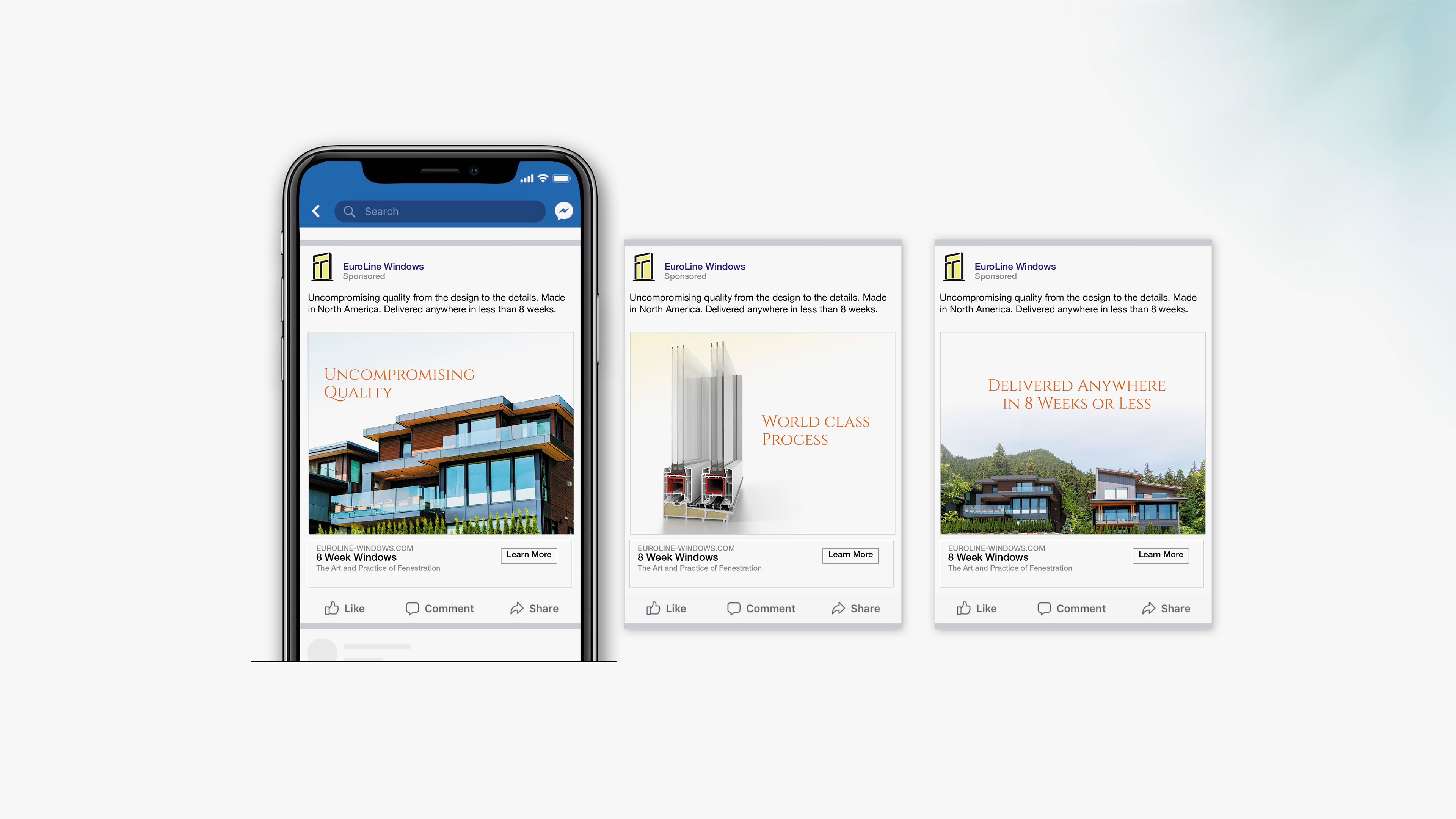
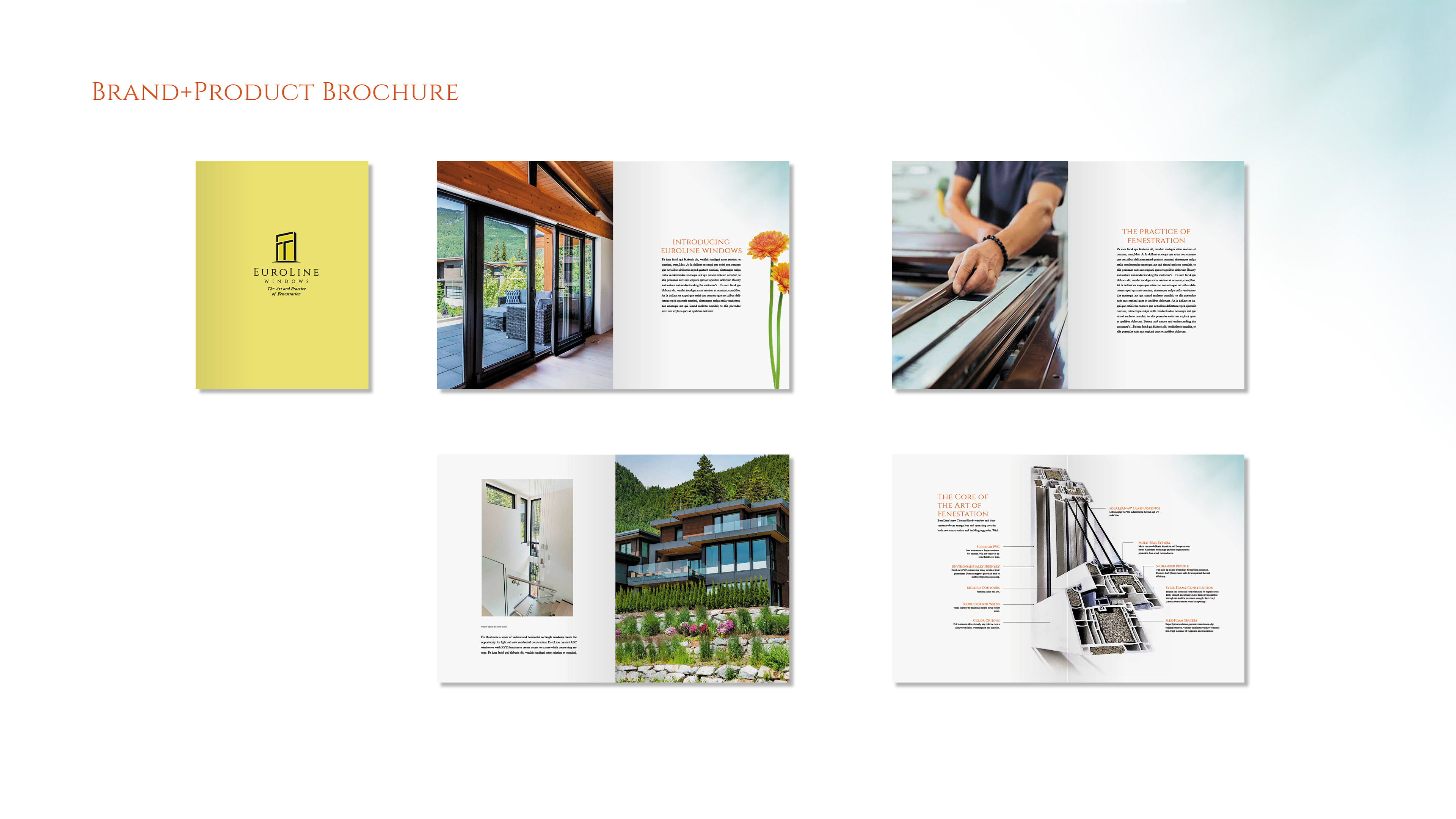
Marketing materials began to reflect discipline in both voice and design. The positioning gained structure. The visual system carried an elevated aesthetic consistent with high-level architectural environments. The brand no longer sounded like everyone else in the performance category.
It communicated with intention.
Working collaboratively with a creative partner who had established the initial art direction, I helped build a cohesive language around EuroLine’s philosophy. We refined the vocabulary, clarified positioning, and aligned messaging with the architectural ambition of the brand.
Marketing materials began to reflect discipline in both voice and design. The positioning gained structure. The visual system carried an elevated aesthetic consistent with high-level architectural environments. The brand no longer sounded like everyone else in the performance category.
It communicated with intention.

The Result
EuroLine evolved from a specification-driven manufacturer into a premium architectural resource. The brand felt intentional, structured, and aligned with the standards it upheld.
The language reflected discipline. The design carried consistency. The positioning created respect within the architectural community.
The engineering had always been strong. Now the brand presence matched it.
EuroLine evolved from a specification-driven manufacturer into a premium architectural resource. The brand felt intentional, structured, and aligned with the standards it upheld.
The language reflected discipline. The design carried consistency. The positioning created respect within the architectural community.
The engineering had always been strong. Now the brand presence matched it.